Knowledge · Technical guide · Belt repair
Belt repair methods guide.
How to choose between repair methods, what affects bond strength, and where each method's limits sit. A practical engineering view, not a product catalogue.
Direct answer
How to choose a belt repair method.
Belt repair method selection follows the damage type and the operating constraints. Surface cuts and edge damage on the belt cover are typically addressed with cold-cure repair compounds or hot-vulcanised patches depending on cover thickness and operating temperature. Carcass damage requiring structural restoration usually calls for a vulcanised splice repair. Mechanical fasteners are a fast field option for short-life or emergency repairs but introduce stress concentrations and reduce splice fatigue life. Bond strength in every case depends on four factors: surface preparation discipline, correct primer and cement selection for the belt rubber chemistry, controlled curing conditions, and disciplined inspection of the bond before returning the belt to service. Specific supplier products, codes and proprietary technical data are confirmed at the point of repair with the manufacturer.
01 / Damage types
Match the method to the damage.
The repair method follows the damage type and the depth of intervention required.
01
Surface cuts and abrasion
Damage limited to the top cover. Cold-cure compounds restore the cover; in high-duty applications, hot-vulcanised patches give longer service life.
02
Cover gouges and impact damage
Localised cover loss without carcass exposure. Field-applied cold repair or sectional vulcanised patch depending on size and downtime tolerance.
03
Edge damage and fraying
Edge bonding for limited fraying; sectional edge replacement for progressive damage; full belt-section replacement when cord is exposed.
04
Carcass tears
Damage extending into the belt carcass. Requires vulcanised structural repair or belt-section replacement — surface repair is not adequate.
05
Splice failures
Splice repair or full splice replacement depending on failure mode. Mechanical fasteners for emergency restoration; hot-vulcanised splice for service life.
06
Catastrophic damage
Full-length rips, large carcass tears, severe cord exposure — belt-section replacement or full belt change is the appropriate response.
02 / Cold vs hot
Cold-cure repair vs hot vulcanisation.
The choice between cold and hot repair is driven by belt duty, downtime tolerance and operating temperature.
03 / Bond-strength factors
What actually controls bond strength.
Bond failure usually traces to one of these four. Get all four right and bond strength is rarely the limiting factor.
A
Surface preparation
The single biggest determinant of bond strength. Rubber surface must be roughened (buffed) to expose fresh rubber, then cleaned of contamination, oil and dust. Skipping or short-cutting prep is the most common cause of bond failure.
B
Primer / cement selection
Cement chemistry must match the belt rubber type. Wrong cement chemistry produces a chemically incompatible bond that delaminates under load even if surface prep is perfect.
C
Curing conditions
Cold-cure systems need ambient temperature within the manufacturer's window and protection from humidity during cure. Hot vulcanisation needs the right press temperature, pressure and dwell time for the belt thickness.
D
Bond inspection
Before returning the belt to service, inspect the bond visually for edge separation, voids, or contamination inclusions. Mechanical pull-tests where the application warrants.
04 / Splicing options
Splicing methods and where each fits.
Splicing creates a structural join. Selection depends on belt construction, operating tension and required service life.
Hot vulcanised splice
Highest splice fatigue life and tensile strength. Required for production-critical conveyors and steel-cord belts.
Cold-cure splice
No heat source needed. Lower fatigue life than vulcanised; field-applicable in remote operations.
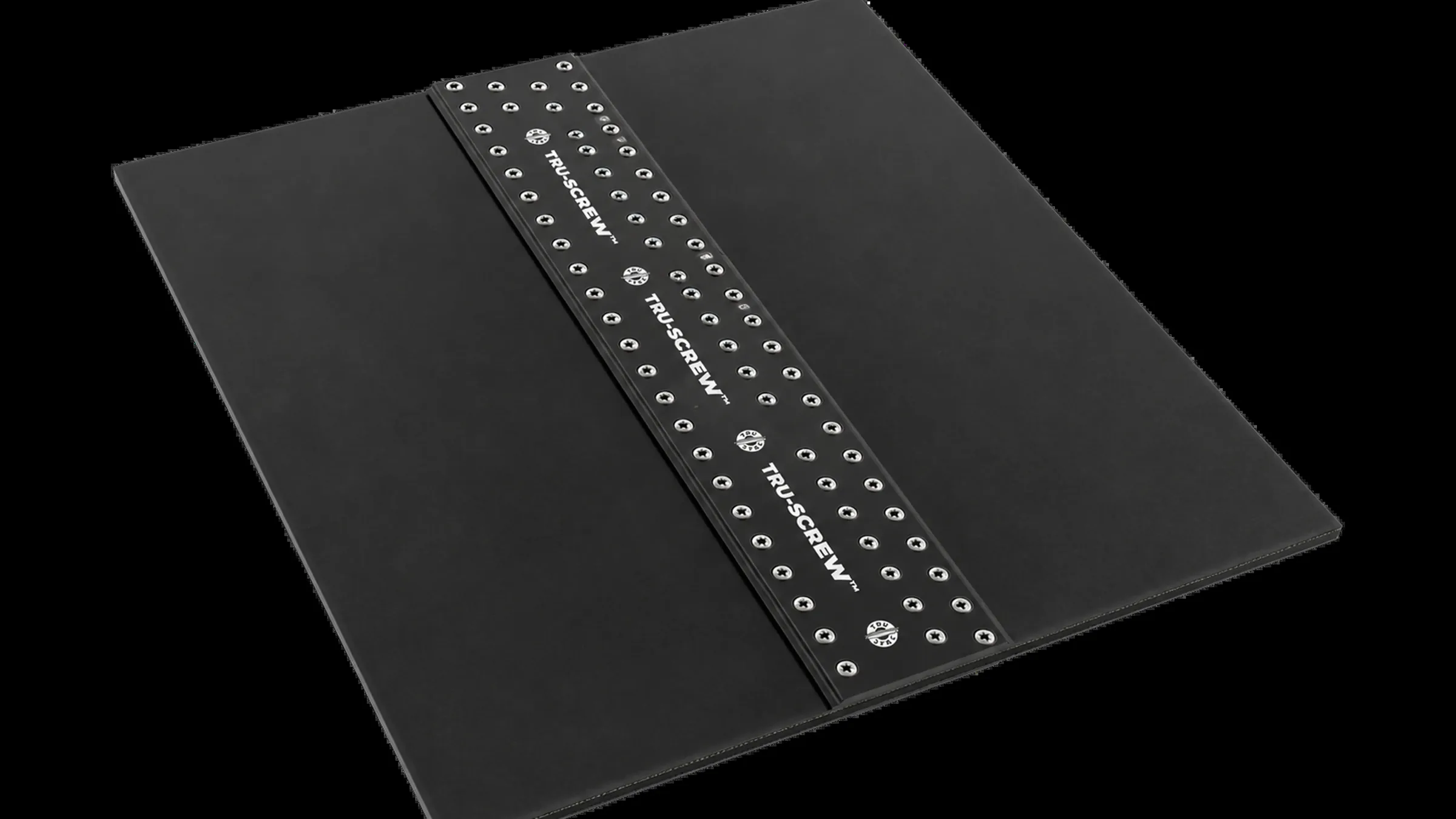
Mechanical fastener splice
Fastest installation. Stress concentration at fastener points limits service life; appropriate for short-life, emergency or low-tension applications.
Hinge splice (clip)
Allows quick belt removal. Reduced tensile capacity compared with vulcanised; common on belts requiring frequent removal.
Finger splice
High-tension applications and steel-cord belts. Specialist installation; carcass continuity restored by interleaved fingers.
Step splice
Multi-ply fabric belts. Plies stepped and bonded individually; correct step length critical for fatigue performance.
05 / Limits
When repair stops being the right answer.
Three signals that point to belt-section replacement or full belt change rather than continued repair.
Cord or carcass exposure over length
When cord is exposed across a meaningful length of belt edge, structural integrity is compromised — repair will not restore design life.
Multiple recent repairs in same area
When the same area has been repaired multiple times in a short period, the underlying cause hasn't been addressed and repair is buying time at increasing cost.
Belt at or past design life
Belt cover thickness below the wear threshold, age past design life, or visible cover hardening — repair effort is no longer cost-effective vs replacement.
Related
Product
Belt Repair, Splicing & Bonding
Tru-Trac belt repair, splicing and bonding product range.
Read
Problem guide
Belt edge damage guide
Why belt edges fail and how to bound the damage.
Read
Technical guide
How to prevent conveyor belt rips
Upstream controls to reduce belt damage in the first place.
Read
Take action
Request repair support
Site-led repair recommendation for a specific belt.
Read
Frequently asked
Practical questions, answered directly.
01Which belt repair method should I use?
Match the method to the damage type and the operating constraints. Surface cuts and edge damage are typically repaired with cold-cure compounds or hot-vulcanised patches depending on duty. Carcass damage requires vulcanised structural repair. Mechanical fasteners are a fast field option for short-life or emergency repairs. Production-critical belts justify hot vulcanisation; remote or short-life applications often work fine with cold-cure systems.02What affects bond strength?
Four factors: surface preparation discipline (the biggest determinant — fresh roughened rubber, clean of contamination), primer and cement selection matched to belt rubber chemistry, controlled curing conditions (temperature, humidity, cure time), and disciplined bond inspection before return to service. Bond failures almost always trace to a shortcoming in one of these four.03Are SDS/TDS documents available?
Yes — Safety Data Sheets and Technical Data Sheets are available for repair products on request, subject to the supplier's standard documentation process. Some technical data and supplier product codes are restricted and confirmed at the point of supply rather than published on the public site.

Bring us the damage you're trying to decide on.
Send us photos of the damage, the belt specification and the operating constraints. We'll recommend repair, sectional replacement or full belt change.