Belt Repair & Splicing
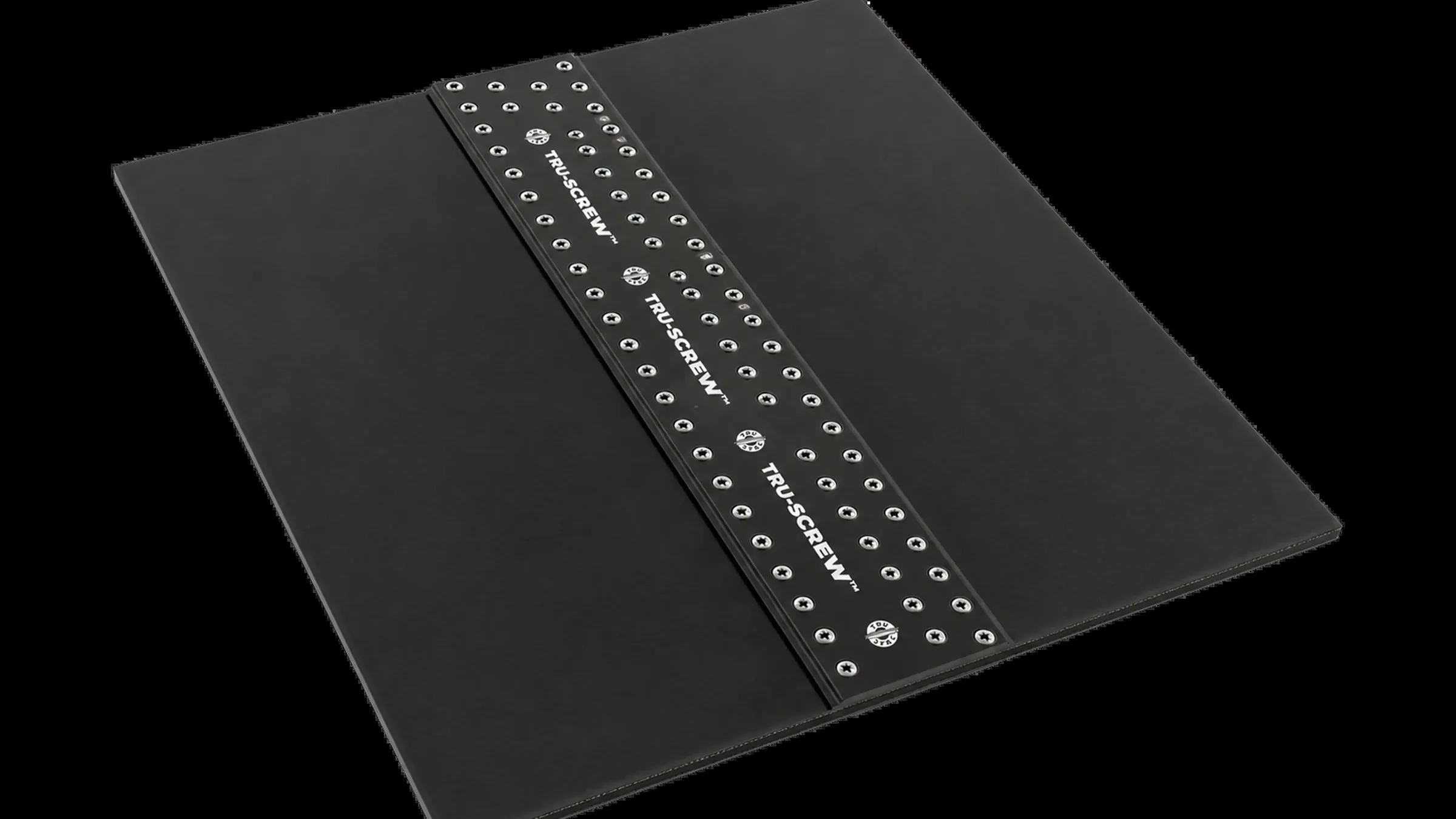
Hot vulcanising, cold splicing, mechanical fastening and chemical bonding. Supplied as material, services or both — with the engineering discipline that matches the belt back into its operating envelope.
01 / The problem
Splicing and repair done outside the engineering envelope of the belt creates a future failure point. Splice classes must match belt class, operating tension and conveyor duty.
What this looks like on site
- 01Splice failure under load
- 02Belt edge separation
- 03Repair patch failure
- 04Premature belt replacement
- 05Unplanned downtime from failed repairs
02 / Engineering logic
Tru-Trac matches splice and repair work to the belt's operating envelope — class, tension, duty cycle and material.
03 / Product range
Material supply, services, or both.
Splice
Hot Vulcanising
Hot vulcanising press systems and consumables for high-tension applications.
Splice
Cold Splicing Kits
Cold splice kits matched to belt class and operating tension.
Splice / Repair
Mechanical Fastening
Mechanical fastener systems sized to operating tension.
Repair
Chemicals & Bonding
Bonding cements, primers, surface cleaners and rubber-to-metal systems.
Field repair
Repair Kits & Tools
Field repair kits, splice preparation tools, presses and consumables.
Related
Belt repair sits inside a wider maintenance picture. The links below cover repair methods, glossary terms and the routing for SDS/TDS document requests.
Technical guide
Belt repair methods guide
Damage types, repair options, bonding, splicing and limits.
Read
Resource
Conveyor glossary
Terminology for splicing, bonding and repair methods.
Read
Take action
Request SDS / TDS documents
SDS and TDS documents for repair chemistry are provided on request, subject to approval.
Read
FAQ
01What belt repair method should be used?
The right method depends on the damage type, the belt class and the operating conditions the belt has to return to. Hot vulcanising suits high-tension long-life applications where the belt class supports it; cold splicing is used where vulcanising is impractical; mechanical fastening is appropriate for emergency repair and short-belt applications; chemical bonding handles repair, lining and patch work. The right answer is a function of the belt envelope.02What affects bond strength?
Bond strength is driven by surface preparation, the cleanliness and roughness of the substrate, the matching of the bonding chemistry to the substrate (rubber-to-rubber vs rubber-to-metal), the cure conditions, ambient temperature and humidity, and the discipline of the application process. Most bond failures trace to surface preparation rather than the product itself.03Are SDS and TDS documents available?
Yes. Safety Data Sheets and Technical Data Sheets for repair products are provided on request, subject to approval. Use the contact form to request specific documents for the product category and the operating context you need them for.
Tell us the belt class, tension and duty. We'll match splice and repair work to keep the belt in its design envelope.